
economic downturns included in frustration of contract termination definition
Economic fluctuations can have a significant impact on contractual relationships, leading many to question whether such events fall under the legal doctrine of frustration. The keyword “Are economic downturns included in frustration of contract termination definition?” addresses the extent to which financial crises, recessions, or other economic disruptions can justify terminating a contract under the principle of frustration. This question requires careful analysis, as the doctrine is designed to relieve parties from obligations when unforeseen events make performance impossible, illegal, or fundamentally different from what was agreed.
Frustration of contract termination definition refers to the legal concept in which a contract may be discharged due to circumstances beyond the control of the contracting parties. Traditionally, the doctrine covers events such as natural disasters, changes in law, destruction of subject matter, or other unforeseeable occurrences that make fulfilling contractual obligations impossible or radically different. The focus is on events that fundamentally alter the nature of the agreement, rather than events that simply make performance more expensive or inconvenient. This distinction becomes critical when considering economic downturns, which may affect profitability but do not necessarily prevent performance.
Courts have generally been cautious about including economic downturns within the scope of frustration. The principle underlying Frustration of contract termination definition emphasizes that obligations are only discharged when performance is objectively impossible, not merely more difficult or costly. An economic recession or financial crisis, while potentially devastating to businesses, usually increases costs or reduces profits rather than making contractual performance impossible. As such, courts often require more than financial hardship or reduced market demand to recognize frustration; there must be a fundamental impossibility of performing the contract as originally intended.
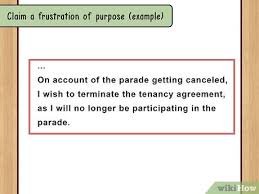
Are economic downturns included in frustration of contract termination definition?
However, there are exceptional situations where economic factors could intersect with frustration. For example, if an economic downturn leads to government intervention, such as currency controls, trade embargoes, or regulatory changes that legally prevent contractual performance, the doctrine of frustration may apply. In such cases, the economic event is not the sole reason for frustration; rather, it triggers legal or structural barriers that render performance impossible. This illustrates that frustration of contract termination definition is context-specific and depends on the interaction between economic conditions and legal constraints.
Contractual provisions also play a key role in addressing economic risks. Many modern contracts include force majeure clauses or hardship clauses that explicitly account for economic fluctuations, providing parties with guidance on how to manage such events. These clauses may allow renegotiation, suspension, or termination in circumstances where economic conditions materially affect performance, even if the strict legal test for frustration is not met. Understanding the distinction between contractual protections and common law frustration is critical for parties navigating economic volatility.
In conclusion, the question “Are economic downturns included in frustration of contract termination definition?” is nuanced. While pure economic hardship or reduced profitability generally does not satisfy the strict requirements of frustration, extraordinary circumstances arising from economic events—such as regulatory or legal barriers triggered by a downturn—may justify its application. The doctrine primarily seeks to address situations where performance becomes objectively impossible or radically different, rather than merely burdensome. Therefore, parties should carefully assess both legal principles and contractual provisions to understand how economic events might impact their obligations and rights under a contract. Frustration of contract termination definition, while protective, is not a blanket remedy for financial difficulties, but rather a precise tool for addressing truly unforeseen and transformative events.

Leave a Reply